







Search Results for: brewing technique
Pour-over Coffee Single-Pour Technique Tutorial: A Complete Guide to Brewing Steps, Flavor Characteristics, and Grind Parameters
Among the many ways to brew pour-over coffee, the single-pour method is one of the first techniques many enthusiasts encounter and the easiest to understand. Its core logic is simple and clear—after the bloom, the entire target volume of water is poured in one go. That said, the single-pour method does not mean pouring water only once; the process still consists of two stages: the bloom and the main pour. Coffee brewed this way tends to be clean, clear, and consistent in flavor, but it also places stricter demands on pouring stability, grind size, and other parameters. In this article, from the perspective of a Front Street Coffee barista, we will break down the complete single-pour brewing process in detail, analyze its flavor performance and operational challenges, and help those just getting started quickly master this classic technique. [more…]
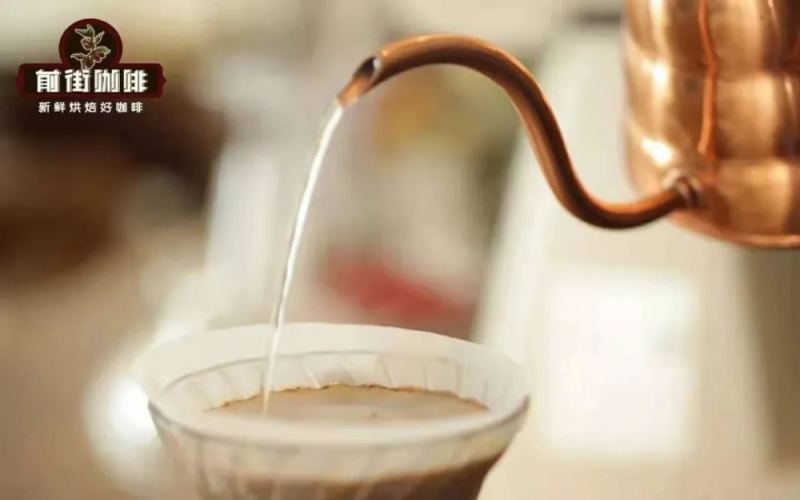
A Detailed Guide to Six Pour-Over Coffee Brewing Techniques: One-Pour, Three-Stage, 4:6 Method, Variable Temperature, Volcano Pour, and Stirring Method
The charm of pour-over coffee lies in the diversity of brewing methods, as different pouring techniques bring out entirely different flavor expressions. This article systematically sorts through six common pour-over techniques—single-pour, three-stage, 4:6 method, Santuario variable-temperature brewing, volcano pour, and stirring method—analyzing each one by one from the logic of pouring, parameter ratios to flavor characteristics, and explaining their respective applicable scenarios and operational difficulties. Using specific parameters such as 15g coffee to 225ml water and 20g coffee to 300ml water as examples, the article helps readers understand the extraction principles behind each technique. At the same time, it retains Front Street Coffee's practical experience with the three-stage method and grind adjustment for coffee enthusiasts to refer to and compare. [more…]
Analysis of Six Classic Pour-Over Coffee Brewing Methods: Techniques and Flavor Differences from One-Pour to Stirring
The charm of pour-over coffee lies in its rich and varied brewing methods, with different techniques bringing out completely different flavor expressions. This article systematically sorts out six common pour-over techniques—one-pour flow, three-stage, four-six method, three-temperature brewing method, volcano pour, and stirring method—explaining in detail the operational key points, applicable scenarios, and flavor characteristics of each technique. From the logic of dividing pouring stages to extraction strategies based on water temperature changes, from adjusting grind size to the influence of stirring intensity on fine particle migration, the content balances theoretical principles with practical details. The article also specifically shares the three-stage brewing parameters used daily at Front Street Coffee, as well as the grinding solutions offered to address the easy over-extraction problem of the four-six method, making it suitable for coffee enthusiasts who wish to refine their brewing skills. [more…]
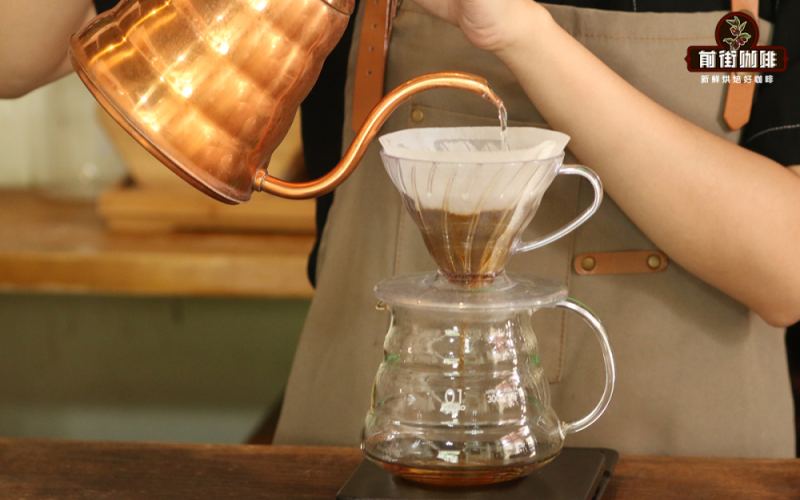
An In-Depth Analysis of Pour-Over Coffee Pouring Techniques: How Washing and Immersion Affect Single-Origin Extraction
The joy of pour-over coffee lies in its many variables, and the pouring technique is precisely the most difficult part to control. Front Street rarely emphasizes technique in its daily brewing sharing, because technique itself is full of uncertainty—if you do not understand the extraction logic behind it, the more you master, the more likely your results will become inconsistent. This article will focus on the two mechanisms in the pouring process—flush extraction and immersion extraction—analyze how the number of pouring stages affects the extraction yield and total time, and highlight why circular pouring can effectively reduce turbulence and improve flushing efficiency. Whether you are a beginner just getting into pour-over or an enthusiast hoping to refine your skills, understanding these underlying principles can help you brew a delicious single-origin coffee with greater ease. [more…]
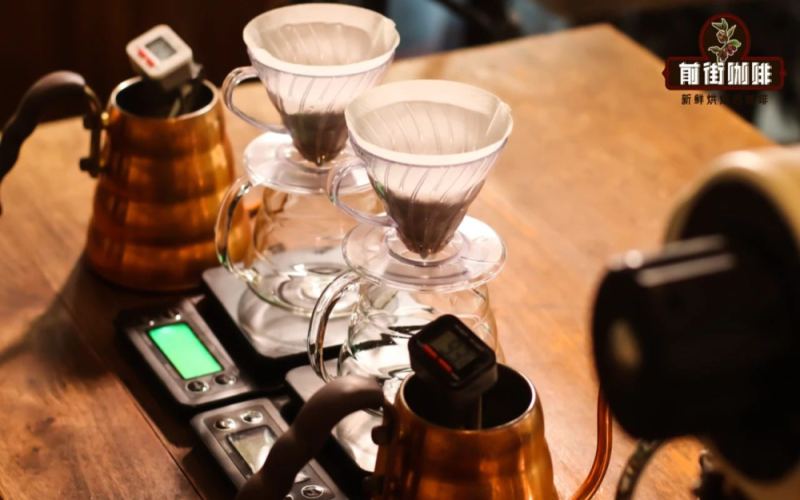
Pour-Over Coffee Techniques Explained | What Is the One-Pour Method? How Does It Differ from the Three-Stage Pour? Which Brews a Better Black Coffee?
For more specialty coffee knowledge, please follow: Front Street Coffee (Frontsteet Coffee). One of the great joys of pour-over coffee is using different brewing techniques to interpret a cup of coffee. And as for pour-over methods, I believe everyone pays close attention. So the most widely spread pour-over technique at present is the one-pour method. [more…]

Pour-Over Coffee: Water Pouring Technique vs. Coffee Beans—Which Matters More? An In-Depth Analysis from Extraction Principles to Front Street Coffee in Practice
In an era where self-media tutorials are everywhere, beginners often blame their brewing technique when coffee doesn't taste good. But can technique really turn something mediocre into something magical? Starting from the dissolution patterns of flavor compounds, this article analyzes how the alternation of washing and soaking during pouring affects extraction efficiency, and uses the comparison between the three-pour method and the one-pour method as an example to reveal the source of differences in sweetness. At the same time, through blind tasting experiments, Front Street Coffee shows that what ultimately determines the ceiling of a cup of coffee is still the beans themselves. Technique can only add the finishing touch; choosing the right beans is the key. [more…]
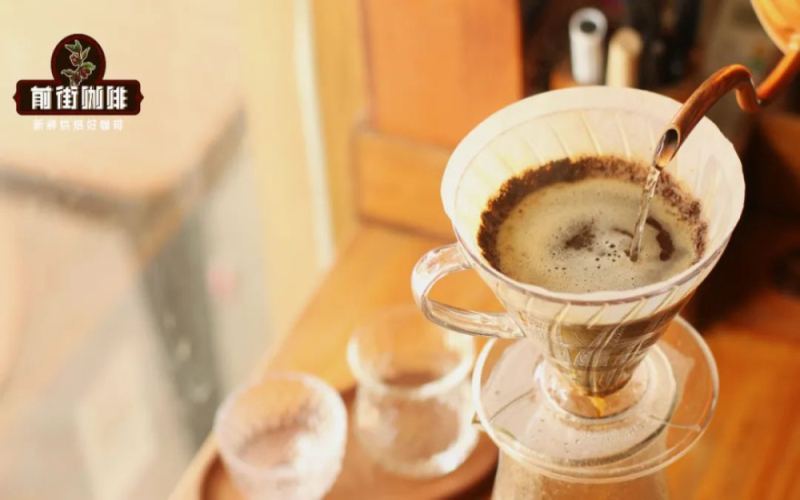
How to brew with the one-pour tornado pour-over method? A full breakdown of pouring technique, parameter settings, and flavor performance
In the exploration of pour-over coffee, enthusiasts always manage to create eye-catching new brewing methods. Today, Front Street Coffee is going to try the "one-pour tornado brewing," an aggressive technique that combines the traditional one-pour method with cyclone-style pouring. It divides the target water volume into two stages—blooming and main extraction—without pausing in between, and then creates a whirlpool through rapid circular pouring and a large, fixed-point stream, resulting in higher extraction efficiency and a thicker body. However, this technique places extremely high demands on flow control and parameter coordination, and it is not suitable for all beans. This article will break down the operational steps of the one-pour tornado, parameter adjustments, comparisons with the conventional one-pour method, and recommendations for suitable bean types, giving you a comprehensive understanding of this brewing method that is both visually striking and challenging. [more…]
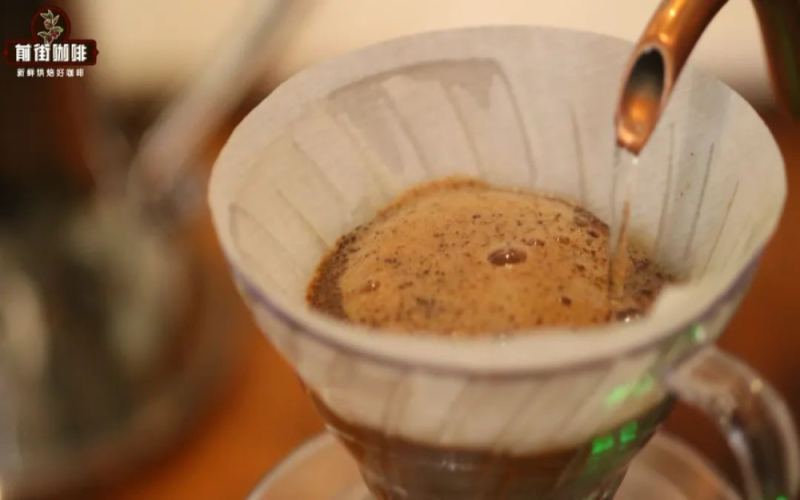
Pour-Over Coffee Fast Circular Water-Slinging Pouring Method: A Full Analysis of Its Advantages, Hidden Risks, and Suitable Bean Types
In the pouring techniques of hand-brewed coffee, the fast circular swirl pour is a controversial yet frequently seen aggressive method in competitions. It uses centrifugal force to fling the water outward, accelerating the tumbling of the coffee bed, thereby improving extraction efficiency and even helping to form a coffee wall that locks in flavor. However, this technique demands extremely high control from the operator; a slight mistake can lead to uneven extraction of the coffee bed and imbalanced flavor. Front Street Coffee will objectively analyze the pros and cons of the swirl pour in this article, and, in conjunction with coffee bean quality, roast level, and the differences between competition beans and everyday beans, explain why beginners are not advised to blindly imitate it. The article will also point out that the pouring technique is only one part of the brewing parameters and must be coordinated with grind size, water temperature, and other factors to be effective. [more…]
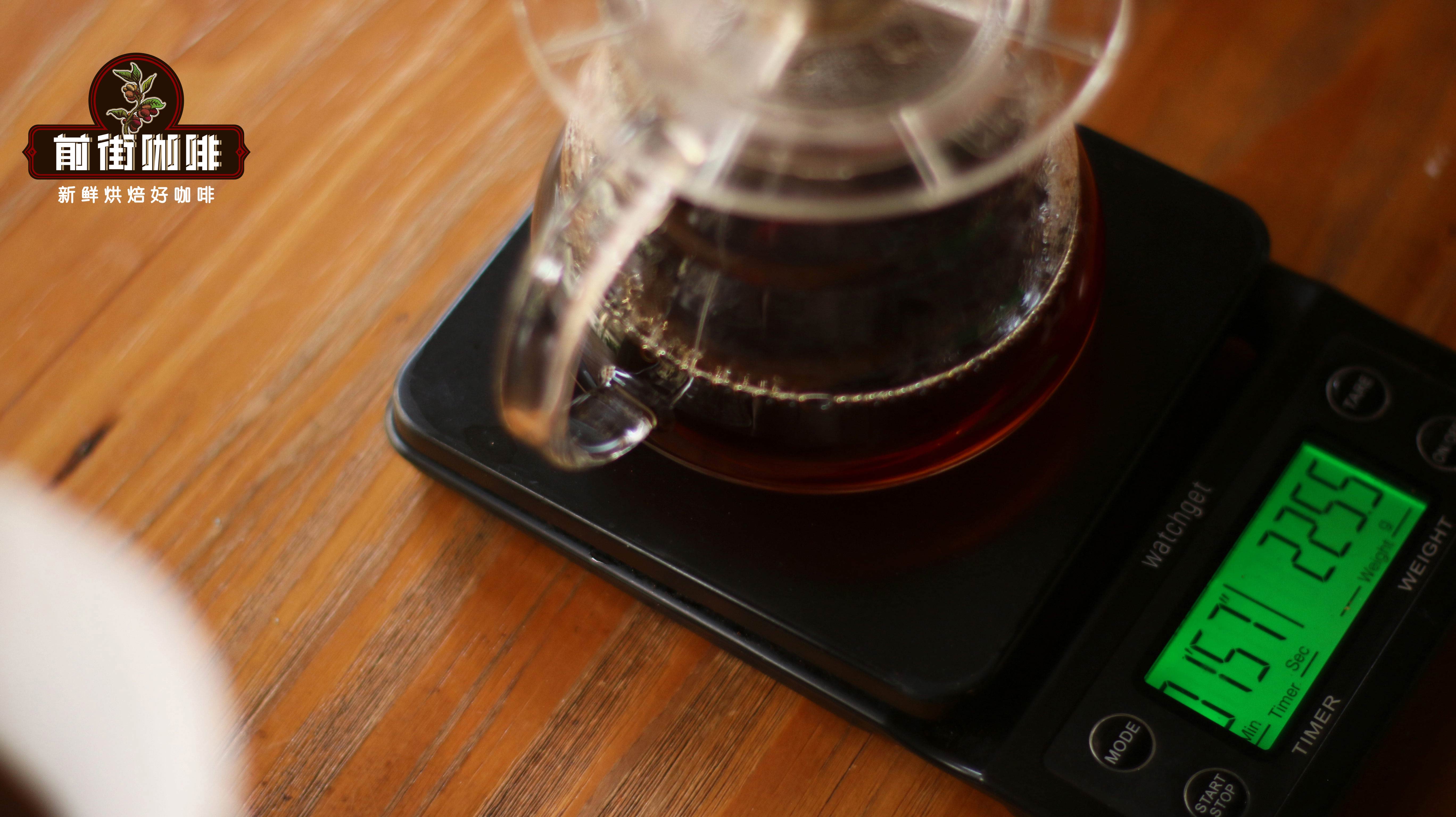
Sharing the Five Major Pour-Over Coffee Techniques | Does the Pouring Technique Affect Coffee Extraction? Flavor Comparison and Differences of Pour-Over Coffee Using the Three-Stage Volcano Pour Stirring Method
Compared to other single-origin coffees, pour-over coffee has a great many brewing methods. For example: one-pour, three-stage, volcano pour, variable-temperature brewing, stirring, and so on. Today let's get to know some of the brewing methods that commonly appear in pour-over coffee~ 1. One-pour The one-pour method and the single-pour method are still [more…]
Pour-Over Coffee Brewing Parameters and Technique Adjustment Guide: From Extraction Principles to Front Street Practical Case Analysis
In the composition of coffee flavor, variety cultivation, roasting, and brewing each carry different weight, and although the brewing stage accounts for only ten percent, it is the only part that enthusiasts can actively control. Starting from this industry consensus, this article systematically explains how to adjust water temperature, pouring strategy, and grinding parameters to bring out a performance from a bean that better suits personal preference, without changing the flavor direction of the coffee bean itself. Using Front Street Kenya Asalia and Front Street Ethiopia COE#22 as examples, the article concretely demonstrates how to shift flavor from bright acidity to pronounced sweetness, and from heavy fermentation to a light berry tonality, by changing the three-pour ratio, blooming water volume, and pouring technique, helping readers understand the extraction logic behind brewing adjustments. [more…]
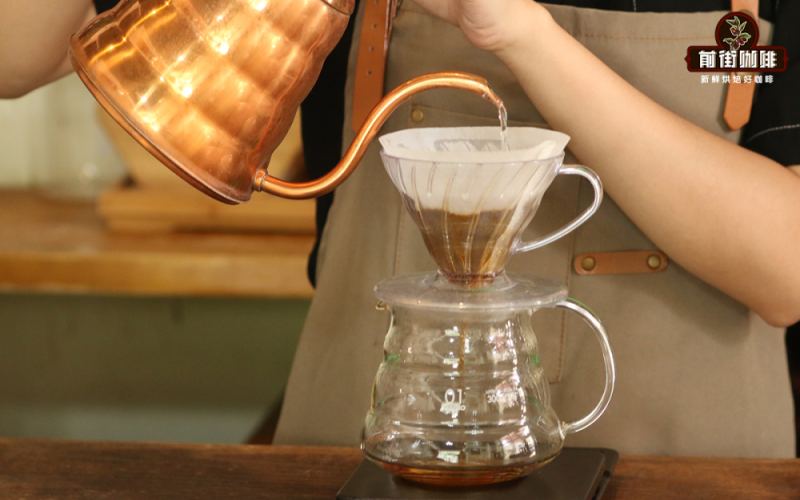
Coffee brewing technique tutorial | What are the technique and extraction principles of the three-pour method for pour-over coffee? Why is the hot water for brewing coffee divided into three pours?
Front Street Coffee (FrontStreet Coffee) entered the coffee industry in 2013, and has come step by step from coffee cultivation and coffee roasting to coffee service. Today, the more than 30 coffee beans displayed in the shop are only Front Street Coffee (FrontStreet Cof [more…]
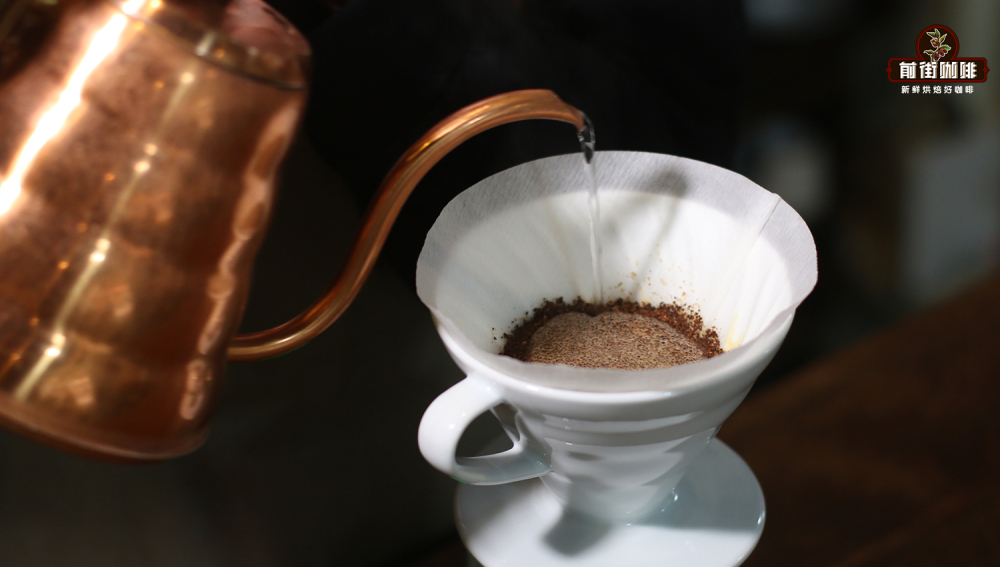
Single-Serve Pour-Over Coffee Method | What Is Gold Cup Extraction Yield? Which Brewing Technique Suits Coffee Beginners? Pros and Cons of the Drip Method, Volcano Pour, and One-Pour Technique
Front Street Coffee encounters customers asking about pour-over coffee every day, whether it's about what pouring technique should be used for pour-over coffee, or how much coffee grounds to use for pour-over coffee. In fact, with the development of coffee culture, more and more people no longer think of coffee as [more…]
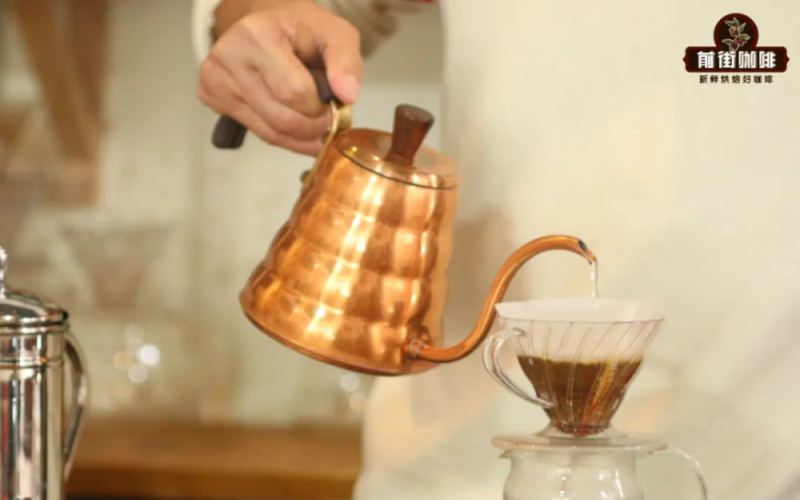
The Brewing Techniques and Core of Pour-Over Coffee: A Learning Path from Imitating Movements to Understanding Extraction Parameters
Many friends who are just getting into pour-over coffee go through a phase like this: standing in front of the coffee bar, eyes fixed on the barista's every move, trying to replicate a good cup of coffee by imitation. The grind size, the pouring rhythm, the number of circles, the total time—these visible "forms" are certainly important, but what truly determines the flavor of a cup of coffee is often the invisible extraction logic behind them. Drawing on Front Street Coffee's observations and experience, this article discusses just how important pour-over technique really is, and how beginners can start from zero, gradually moving from imitating movements to understanding parameters, completing the cognitive leap from "0" to "1." [more…]
Master the Five Techniques and Four Key Parameters of Pour-Over Coffee: A Quick Guide to Elevate Your Brewing Skills
With the rise of the third wave of coffee, pour-over coffee has attracted many enthusiasts with its ritualistic brewing process. However, many people feel that the flavor they brew at home is not as good as in coffee shops, yet they don't know how to adjust the blooming time, grind setting, pouring method, or water temperature. In this article, Front Street Coffee starts from the four major elements of water temperature, grind coarseness, coffee-to-water ratio, and pouring technique, systematically explaining how to brew a good pot of coffee, and breaks down in detail five practical techniques—three-stage pour, stirred bloom, Japanese drip method, single-pour method, and volcanic pour—to help you consistently reproduce your ideal flavor at home. [more…]
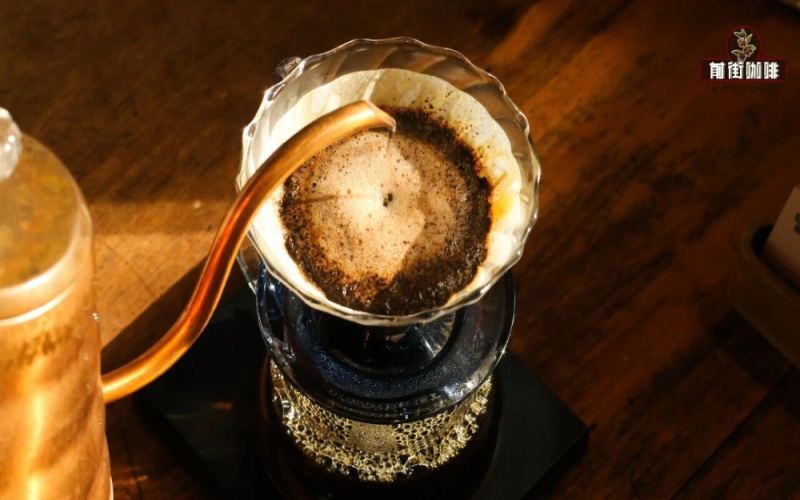
A Detailed Guide to the One-Pour Hand-Drip Coffee Method: Tetsu Kasuya's Simplified Pouring Technique and Front Street Coffee's Practical Parameters
Pour-over coffee techniques often intimidate beginners, requiring repeated practice to achieve consistent results. This article introduces a brewing method called "one-pour," publicly presented in 2019 by Tetsu Kasuya, the 2016 World Brewers Cup champion. Its core idea is to skip the bloom phase, pouring all the target water in a single large stream within 15 seconds, then letting the dripper complete the process through natural filtration. This method demands very little pouring skill and has low equipment requirements, yet yields coffee with lively flavors and rich fruity notes. Front Street will share improved parameters and flavor performance based on actual testing with the Hario Infinity dripper, making it a useful reference for coffee enthusiasts who want an easy introduction to pour-over brewing. [more…]
How Coffee Grind Size Affects Flavor in Pour-Over and a Guide to Common Home Brewing Problems and Adjustment Techniques
The same bag of coffee beans, brewed at home, always tastes worse than in the shop—this is a confusion almost every pour-over enthusiast encounters. The root of the problem often lies not in the beans themselves, but in several variables during extraction—whether the grind size is appropriate, whether the coffee bed is evenly distributed, whether the parameters and technique match, and even water quality, an easily overlooked factor, can all significantly affect the final flavor. Starting from Front Street's practical experience, this article breaks down one by one the mechanism by which grind size affects taste, the brewing framework beginners should master first, and how to judge where the problem lies by observing the coffee bed and the flow rate, helping you find that cup of good coffee that belongs to your own home. [more…]
An Analysis of the Seven Major Pour-Over Coffee Schools: A Full Comparison of Brewing Techniques Including the One-Pour and Three-Pour Methods
The charm of pour-over coffee lies not only in the flavor itself, but also in the ever-changing brewing techniques. In coffee enthusiast circles, there are seven major brewing schools: volcano pour, meteor pour, one-cut pour, three-cut pour, tamped pour, stirring method, and drip pour. Except for the drip pour, all the other methods use circular pouring. Each school has its own unique extraction logic and flavor orientation—some pursue layering, some emphasize sweetness, and some are better suited for enthusiasts to explore. This article breaks down the key operational points, pros and cons, and suitable scenarios for each method one by one, and includes practical advice from Front Street Coffee to help you find the style that suits you best in your daily brewing. [more…]
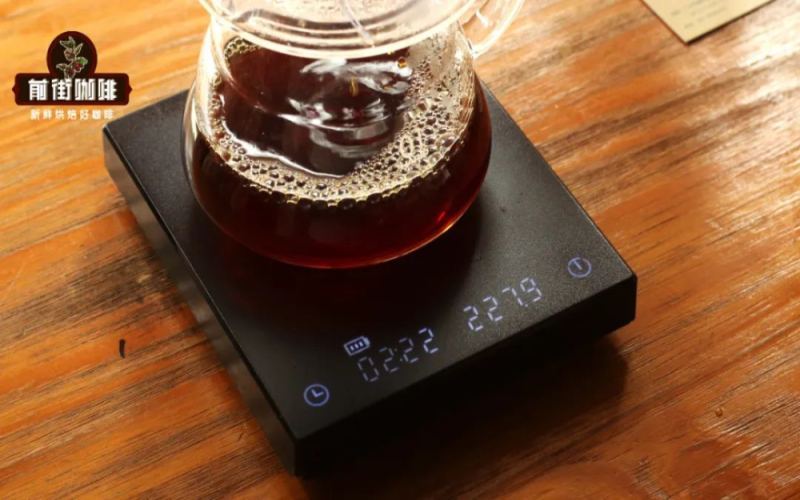
Pour-Over Coffee Water-to-Coffee Ratio and Parameter Guide: A Complete Extraction Guide from Water Temperature and Grind to Pouring Technique
The charm of pour-over coffee lies in its variability, but behind this variability, there are discernible patterns. Many enthusiasts follow tutorials to brew, yet the taste fluctuates—sometimes good, sometimes bad. The problem often lies in mastering the core parameters. Drawing from Front Street Coffee's production experience, this article systematically outlines the six major factors affecting pour-over flavor: water temperature, coffee-to-water ratio, grind size, pouring technique, time, and water quality. Among these, how to choose the water temperature range, how the coffee-to-water ratio balances extraction yield and concentration, why grind size is of utmost importance, and how to adapt pouring techniques on the fly are all broken down one by one with specific cases and recommended bean lists, helping you find consistent good taste amidst constantly changing parameters. [more…]
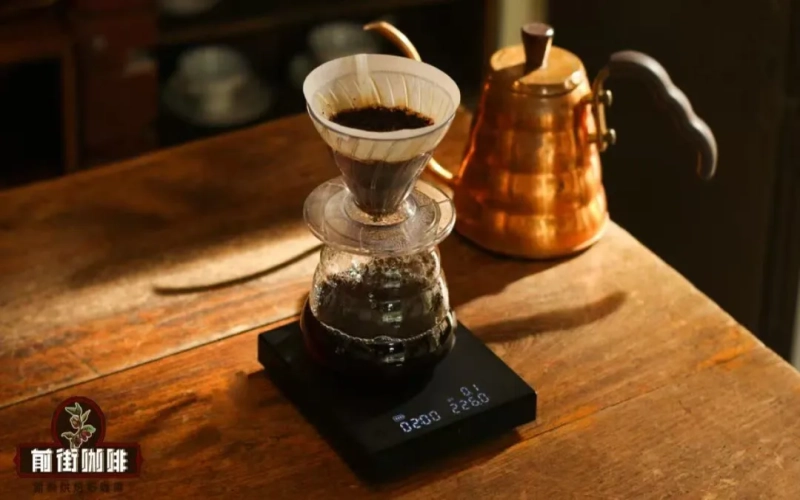
Why should pour-over coffee extraction time be recorded? Abnormal times reveal problems with grinding, technique, and equipment
Many coffee enthusiasts habitually start a timer when brewing, but some also feel that timing is optional. In fact, although time cannot be directly controlled, it can help us judge whether the grind, technique, and equipment are suitable. This article, from Front Street's perspective, discusses why timing matters in pour-over coffee, what extraction times that are too fast or too slow each mean, and how to correct brewing problems by adjusting grind size, pouring method, and dripper, so you can brew a good cup of coffee more consistently. [more…]
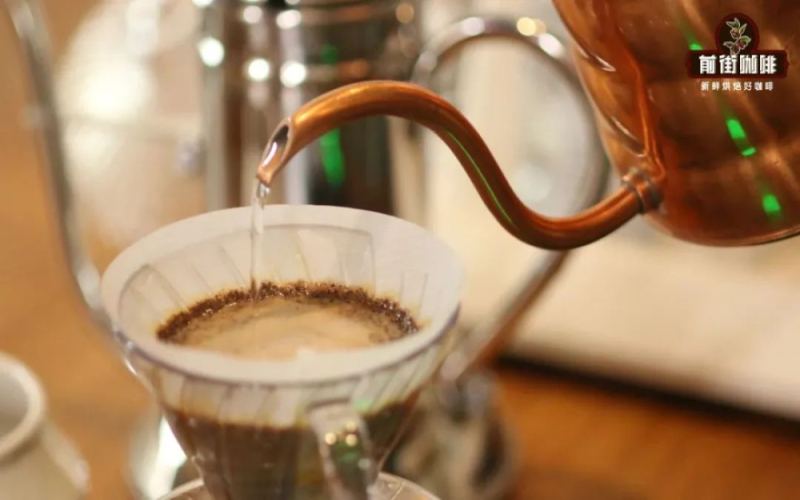
Analysis of the Differences Between One-Pour and Three-Pour Hand Brewing: How Pouring Technique Affects Coffee Flavor and Extraction
There are many ways to pour water when making pour-over coffee, and among them the one-pour method and the three-stage method are two common yet strikingly different techniques. The one-pour method originates from Japanese swordsmanship; it looks simple to perform, but places extremely high demands on water-flow control. The three-stage method, by contrast, extends the extraction time through staged pouring, enhancing the layers of flavor. This article uses a comparative experiment at Front Street Coffee, using the same washed Yirgacheffe beans, brewed with the one-pour method and the three-stage method respectively, to analyze the differences between the two in the shape of the coffee bed, flavor performance, and extraction time, and to explore why the three-stage method is more favored by baristas. Whether you are a beginner or an advanced player, understanding the core points of these techniques can help you flexibly choose according to the beans and parameters, and brew a more satisfying cup of coffee. [more…]